The Inner Mountain

Ladakh

Duration 8 days
Suggested group size - students / Envoys Field Staff
Suggested ages -
Experience -
Inquire
more
ladakh 1
                            class=

The Inner Mountain

Ladakh

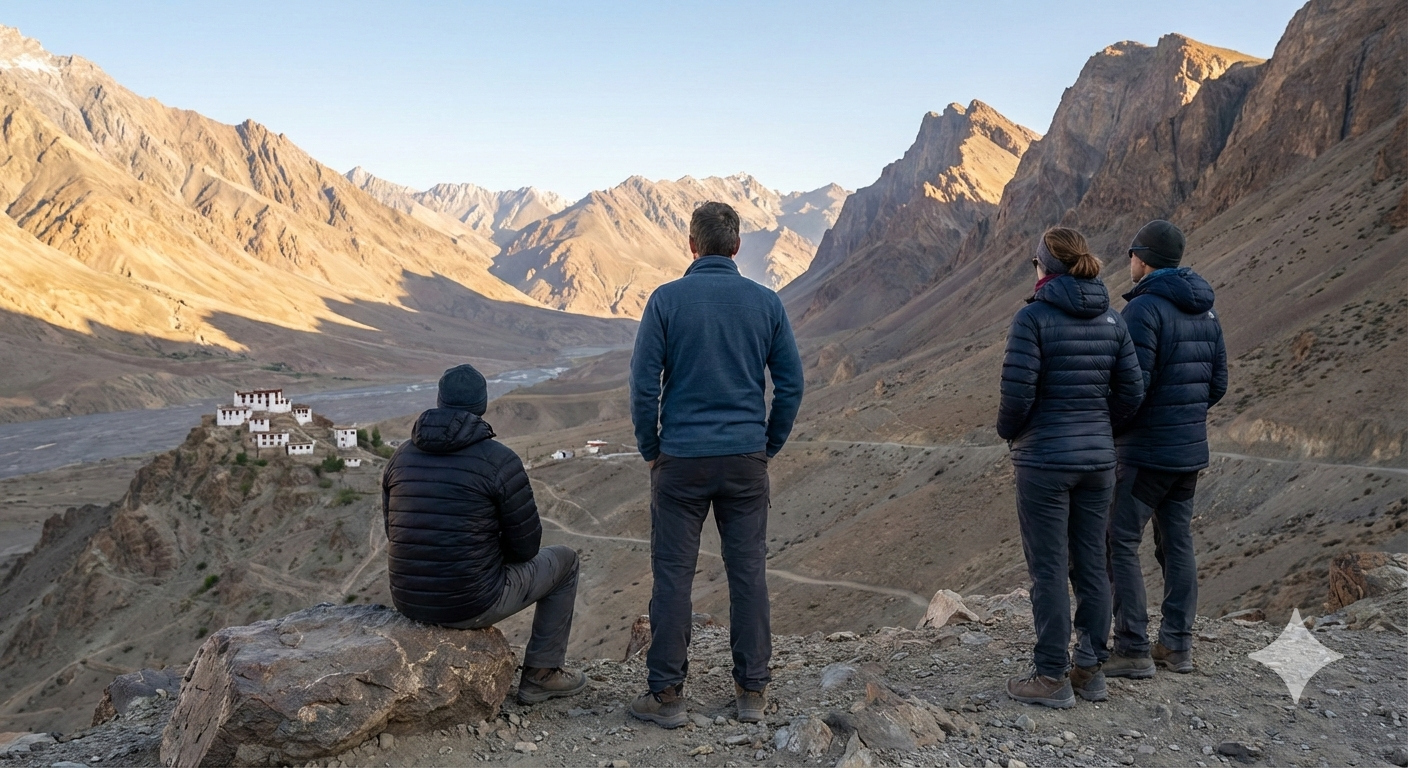
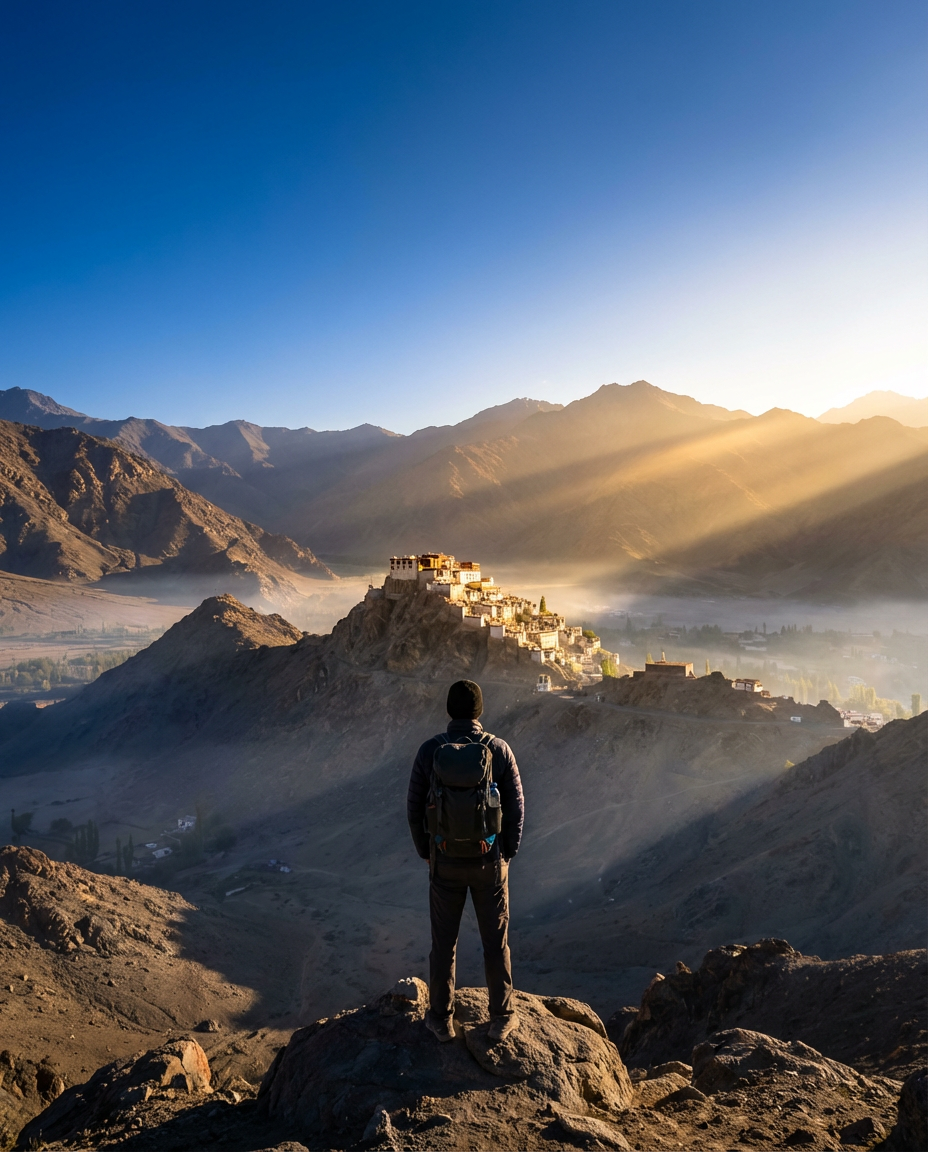
Introduction Ladakh is more than a destination; it is a masterclass in resilience. Perched at altitudes between 10,000 and 22,000 feet in the rain shadow of the Himalayas, this "land of high passes" was once a vital crossroads of the Silk Route. Today, it stands at a different kind of intersection: the friction between a rapidly developing world and a fragile, ancient ecosystem risks erasing its unique history forever. Envoys invites educators to witness how culture can not only survive but flourish in such a shifting landscape. In a high-altitude desert receiving only 3.1 inches of annual precipitation, the Ladakhi people have mastered the art of living in cooperation with the Earth. By engaging directly with educators, artists, conservationists, and youth, we will explore how this lush and thriving community holds the answers that the modern world, and our students, desperately need

“Perched in the rain shadow of the Himalayas, Ladakh is a living laboratory for resilience. In a world of rapid development, we learn from a culture that flourishes in cooperation with the Earth.“

-

ladakh 1
ladakh 1

“Quote 2“

-

Impact Statement Everywhere we go, we carry a promise – to engage with respect, act with purpose, and leave a positive imprint. As envoys of our journey is more than travel; Our footprint is light, but our impact is profound, creating bridges of cooperation and mutual growth across the globe.

Day 1

Arrival & AcclimatizationTheme: Presence & Place We touch down in Leh, one of the highest inhabited cities in the world. As we adjust to the thin air at 3,500 meters, we give ourselves permission to slow down. After checking into our guesthouse, we gather for an orientation on the Envoys Lenses of Inquiry and a safety briefing essential for high-altitude travel. The evening is dedicated to "getting to know you" activities designed to build psychological safety within our faculty cohort, setting the stage for deep collaboration in the week ahead.

Day 2

Leh’s Old TownTheme: Art as Cultural Preservation We explore the labyrinthine alleyways of Leh’s Old Town, not as tourists, but as students of history. We investigate how art functions as a vessel for cultural survival by meeting three local visionaries: an art conservator restoring ancient structures, a sculptor blending tradition with modernity, and a painter documenting the changing landscape. We conclude the day with a scavenger hunt, a pedagogical tool you can adapt for your own students—to map the friction between ancient heritage and rapid development.

Day 3

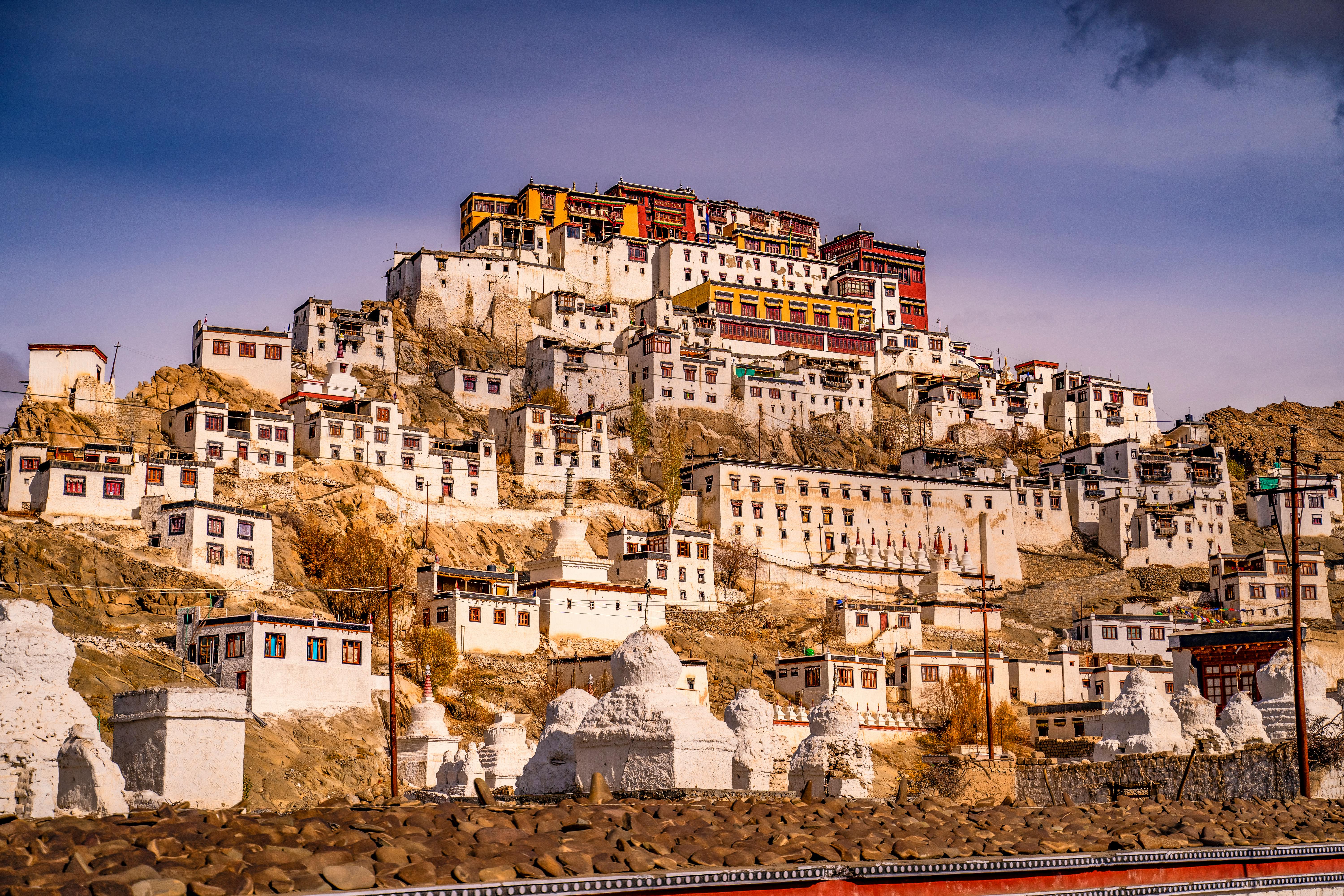
Monastic Life & Climate RealityTheme: Spiritual Resilience We rise before the sun to witness morning prayers at Thiksey Monastery. In a private dialogue with monks, we move beyond ritual to discuss Buddhist philosophy: specifically, how concepts of interdependence influence Ladakhi resilience. In the evening, we bridge the spiritual and the scientific with a screening of Shepherdess of the Glaciers. This documentary connects the vanishing nomadic lifestyle with global climate change. We will discuss how to use film and narrative to make abstract global crises "real" for students.

Day 4

The SECMOL ExperimentTheme: Student Agency & Educational Reform We travel to the Students’ Educational and Cultural Movement of Ladakh (SECMOL), a world-renowned alternative school run largely by the students themselves. This is a deep dive into Project-Based Learning. We will tour their solar-heated mud campus and settle into the dorms. By contributing to campus projects—gardening, maintenance, or tutoring—we experience firsthand what happens when students are given true ownership of their education and environment.

Day 5

Immersion in Alternative EducationTheme: De-schooling & Community Living A full day embedded at SECMOL. We will observe classes that reject rote memorization in favor of "head, heart, and hand" learning. This is an opportunity to shadow teachers and students, asking critical questions: How does this curriculum build resilience? How can we transfer this level of student agency to our home institutions? We end the day with a community evening, sharing stories and songs with the students under the Himalayan stars.

Day 6

HIAL & The University of the DesertTheme: Innovation & Applied Science We bid farewell to SECMOL and travel to the Himalayan Institute of Alternatives, Ladakh (HIAL) in Phyang. Founded by the legendary engineer Sonam Wangchuk, HIAL is a "doer’s university." We will explore how they are greening the desert using "Ice Stupas" (artificial glaciers) and sustainable architecture. If available, we will meet with Sonam Wangchuk to discuss the future of education in the climate crisis. We overnight in the village of Phyang, discussing how higher education can solve hyper-local problems.

Day 7

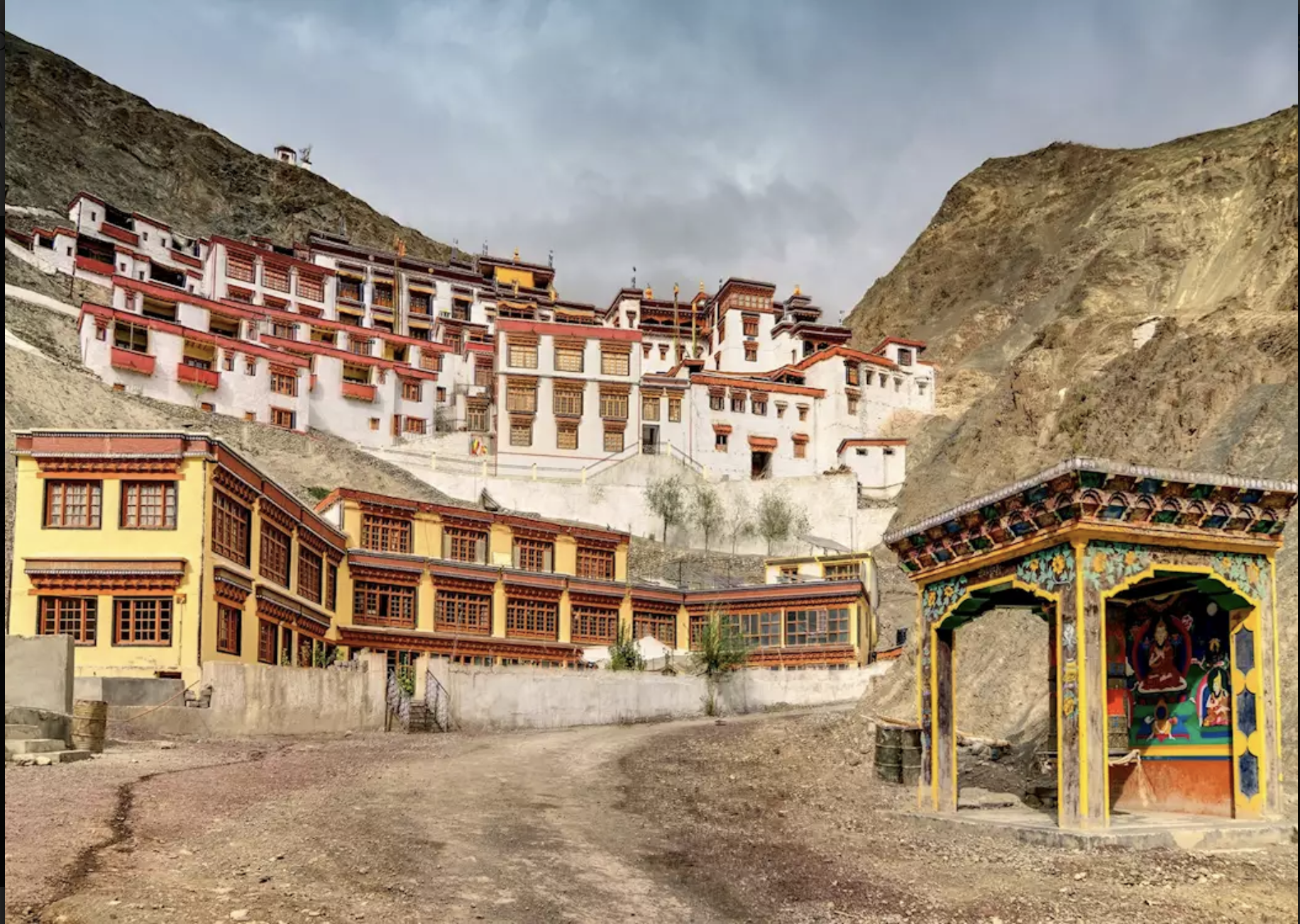
Local Futures & Global SystemsTheme: Globalization vs. Localization We begin with a mindfulness session at Phyang Monastery before returning to Leh. Back in the capital, we visit Local Futures, an NGO dedicated to "economics of happiness." Engaging with the work of Helena Norberg-Hodge, we analyze the impacts of globalization on indigenous cultures. The afternoon allows for reflective souvenir shopping, supporting local artisans, before our Final Closure Ceremony. Here, we synthesize our "Lenses of Inquiry," finalizing our unit plans and committing to the actions we will take upon returning to our schools.

Day 8

DepartureTheme: The Journey Home After a final breakfast and faculty evaluation, we transfer to Leh Airport. We leave the mountains behind, but we carry with us a new toolkit for teaching resilience, a network of global peers, and a profound shift in how we view education’s role in a changing world.

Day 1

Arrival & AcclimatizationTheme: Presence & Place We touch down in Leh, one of the highest inhabited cities in the world. As we adjust to the thin air at 3,500 meters, we give ourselves permission to slow down. After checking into our guesthouse, we gather for an orientation on the Envoys Lenses of Inquiry and a safety briefing essential for high-altitude travel. The evening is dedicated to "getting to know you" activities designed to build psychological safety within our faculty cohort, setting the stage for deep collaboration in the week ahead.

Day 2

Leh’s Old TownTheme: Art as Cultural Preservation We explore the labyrinthine alleyways of Leh’s Old Town, not as tourists, but as students of history. We investigate how art functions as a vessel for cultural survival by meeting three local visionaries: an art conservator restoring ancient structures, a sculptor blending tradition with modernity, and a painter documenting the changing landscape. We conclude the day with a scavenger hunt, a pedagogical tool you can adapt for your own students—to map the friction between ancient heritage and rapid development.

Day 3

Monastic Life & Climate RealityTheme: Spiritual Resilience We rise before the sun to witness morning prayers at Thiksey Monastery. In a private dialogue with monks, we move beyond ritual to discuss Buddhist philosophy: specifically, how concepts of interdependence influence Ladakhi resilience. In the evening, we bridge the spiritual and the scientific with a screening of Shepherdess of the Glaciers. This documentary connects the vanishing nomadic lifestyle with global climate change. We will discuss how to use film and narrative to make abstract global crises "real" for students.

Day 4

The SECMOL ExperimentTheme: Student Agency & Educational Reform We travel to the Students’ Educational and Cultural Movement of Ladakh (SECMOL), a world-renowned alternative school run largely by the students themselves. This is a deep dive into Project-Based Learning. We will tour their solar-heated mud campus and settle into the dorms. By contributing to campus projects—gardening, maintenance, or tutoring—we experience firsthand what happens when students are given true ownership of their education and environment.

Day 5

Immersion in Alternative EducationTheme: De-schooling & Community Living A full day embedded at SECMOL. We will observe classes that reject rote memorization in favor of "head, heart, and hand" learning. This is an opportunity to shadow teachers and students, asking critical questions: How does this curriculum build resilience? How can we transfer this level of student agency to our home institutions? We end the day with a community evening, sharing stories and songs with the students under the Himalayan stars.

Day 6

HIAL & The University of the DesertTheme: Innovation & Applied Science We bid farewell to SECMOL and travel to the Himalayan Institute of Alternatives, Ladakh (HIAL) in Phyang. Founded by the legendary engineer Sonam Wangchuk, HIAL is a "doer’s university." We will explore how they are greening the desert using "Ice Stupas" (artificial glaciers) and sustainable architecture. If available, we will meet with Sonam Wangchuk to discuss the future of education in the climate crisis. We overnight in the village of Phyang, discussing how higher education can solve hyper-local problems.

Day 7

Local Futures & Global SystemsTheme: Globalization vs. Localization We begin with a mindfulness session at Phyang Monastery before returning to Leh. Back in the capital, we visit Local Futures, an NGO dedicated to "economics of happiness." Engaging with the work of Helena Norberg-Hodge, we analyze the impacts of globalization on indigenous cultures. The afternoon allows for reflective souvenir shopping, supporting local artisans, before our Final Closure Ceremony. Here, we synthesize our "Lenses of Inquiry," finalizing our unit plans and committing to the actions we will take upon returning to our schools.

Day 8

DepartureTheme: The Journey Home After a final breakfast and faculty evaluation, we transfer to Leh Airport. We leave the mountains behind, but we carry with us a new toolkit for teaching resilience, a network of global peers, and a profound shift in how we view education’s role in a changing world.

Highlights

Lenses of Inquiry

FAQS

let us clear any
doubts you might have

At Envoys, we work to unite and educators from around the world to explore issues of global significance.

Do I need a visa to travel this destination?

What currency is used, and how can I exchange money?

What vaccinations or health precautions do I need?

Related trips

Discover more learning experiences